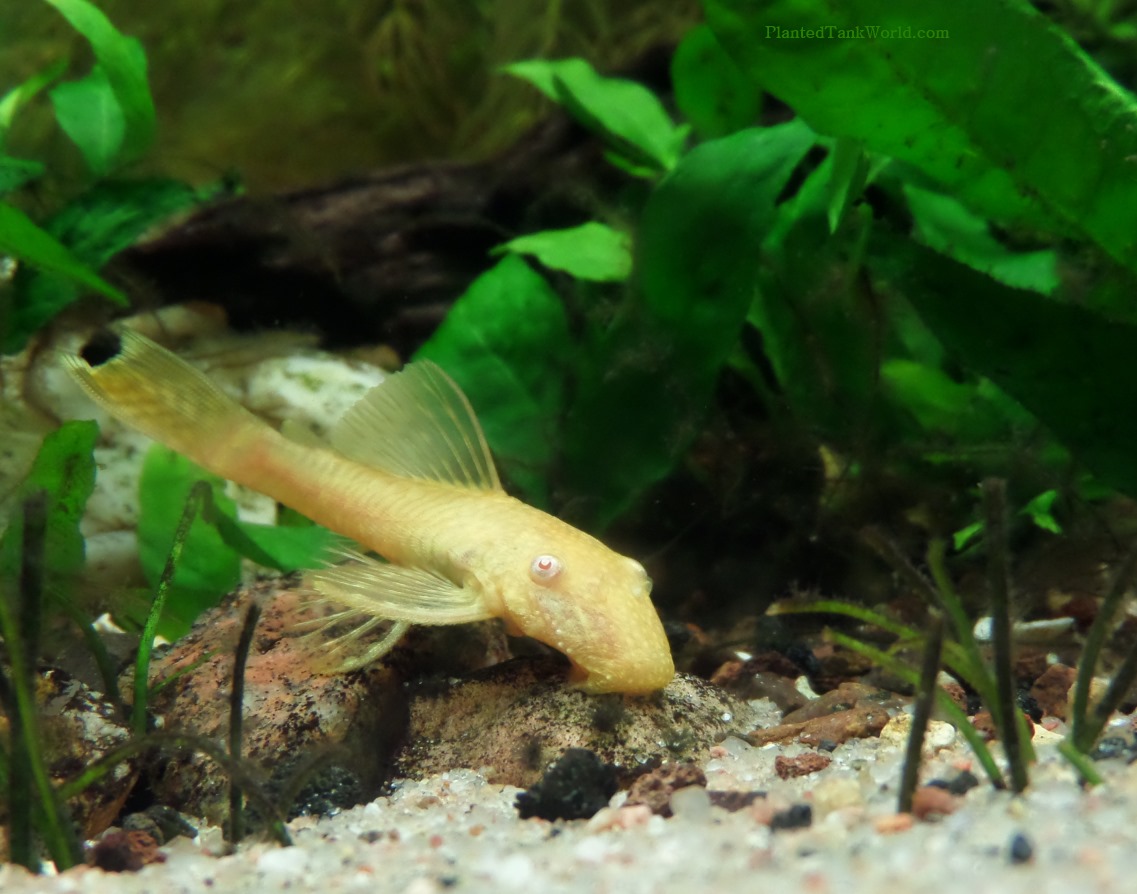
Albino Bristlenose/Bushynose Plecostomus (Ancistrus sp.)

A young female BN pleco

A young female BN pleco

A poor Albino Bristlenose Plecostomos, aka my albino BN pleco, was one of my first fish. These guys are quite hardy, as seen first-hand in how my eldest managed to survive many of my early mistakes when first starting fish keeping. I now have three in my 150 gallon, two of which are still quite small compared to my full-grown male.
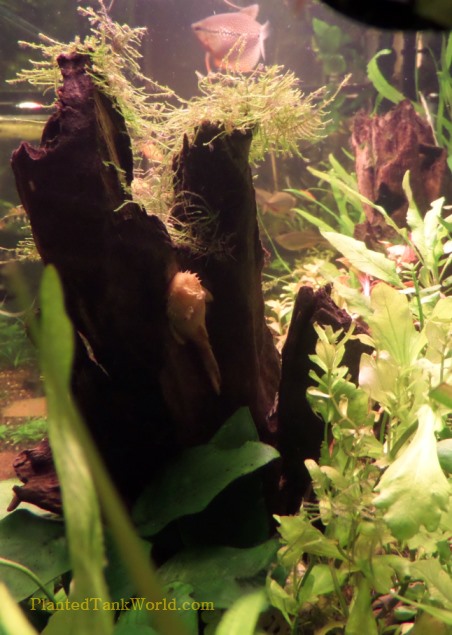
abnp2

My adult male BN pleco – quite talented at hide-and-seek, hence we named him “Waldo”

Plecos are not “waste” eaters. They eat some types of algae and leftover food that makes its way to the bottom of the tank. While not picky eaters, if your BN’s tank doesn’t have much algae and you feed your fish quite sparingly, then a BN might run into nutrition problems. Adding sinking algae wafers, blanched or raw veggies (cucumber, lettuce, etc), or sinking pellets can ensure good nutrition for a BN pleco.

BN plecos can be sexed once they have aged enough to either have noticeable bristles or to be permanently clean shaven. Males will develop the bristles connected to their common name (bristlenose pleco), while females will not. Mating is fairly easy, and, after laying eggs in a secure location, the male will guard the young. Both males and females have armored looking skin, with beautifully aligned scales along their bodies, like with the pleco below.
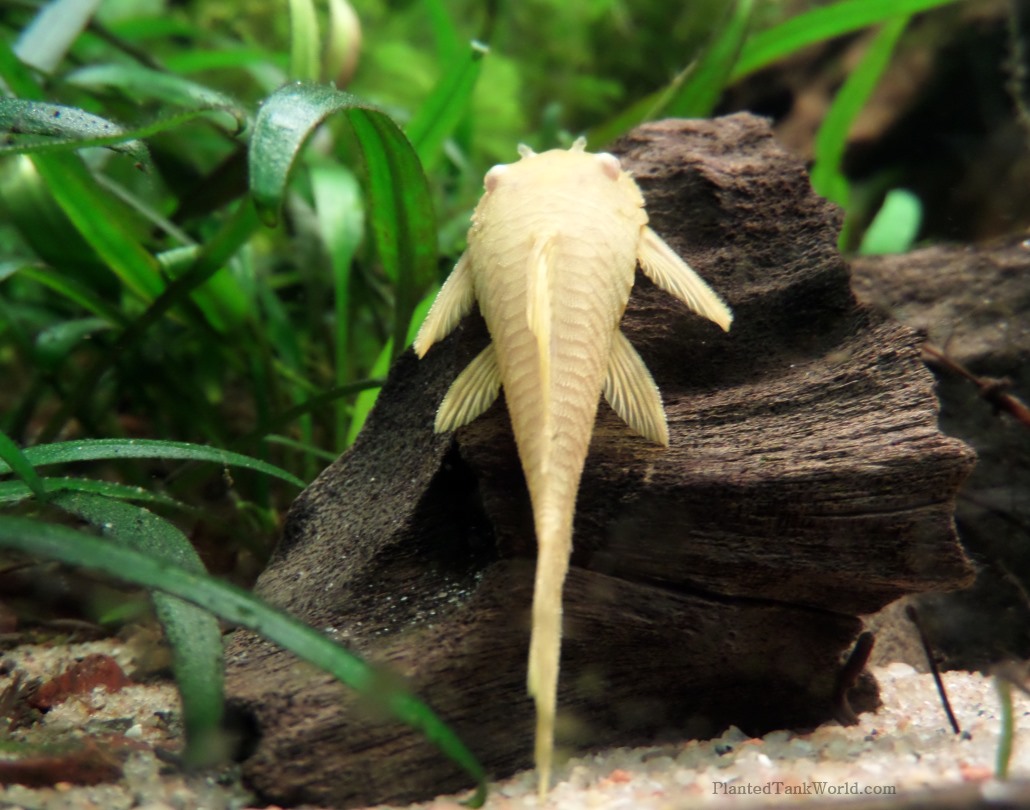
bn4 a

BN plecos do not have especially renowned eyesight, but I still like to pretend that the male below was staring longingly at the female on the rock in the distance. Hopefully one day I’ll have some little BN plecos swimming around!
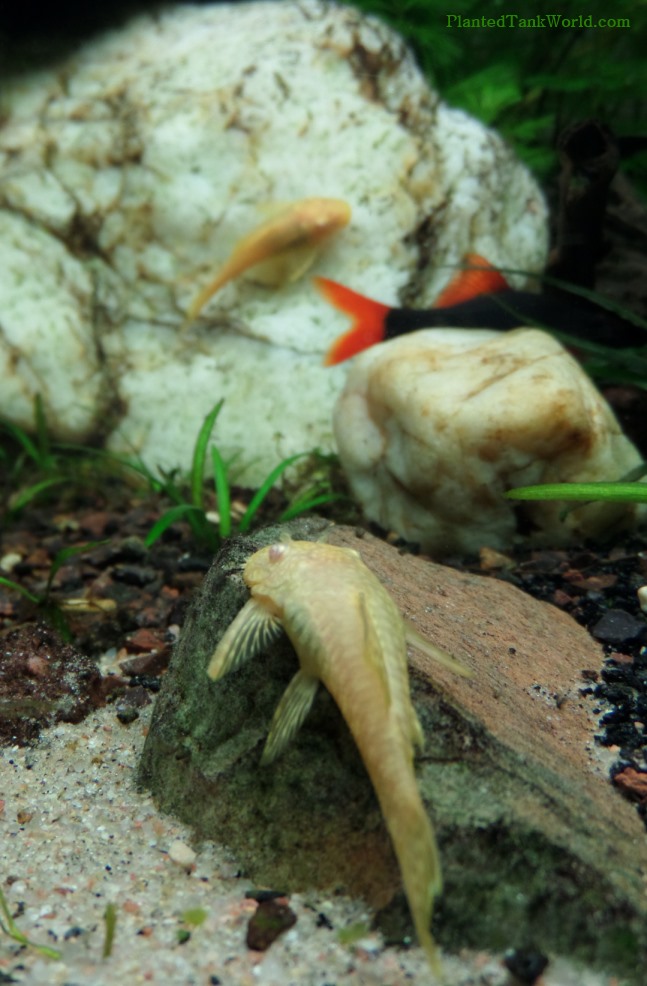
bn23

Pearl Gourami (Trichogaster leeri): Basics

Pearl Gourami (Trichogaster leeri) were one of the first species of fish I really put time and effort into learning about and accommodating. I was recommended them as a good peaceful community fish for beginners, as they are quite hardy and beautiful fish.

Females

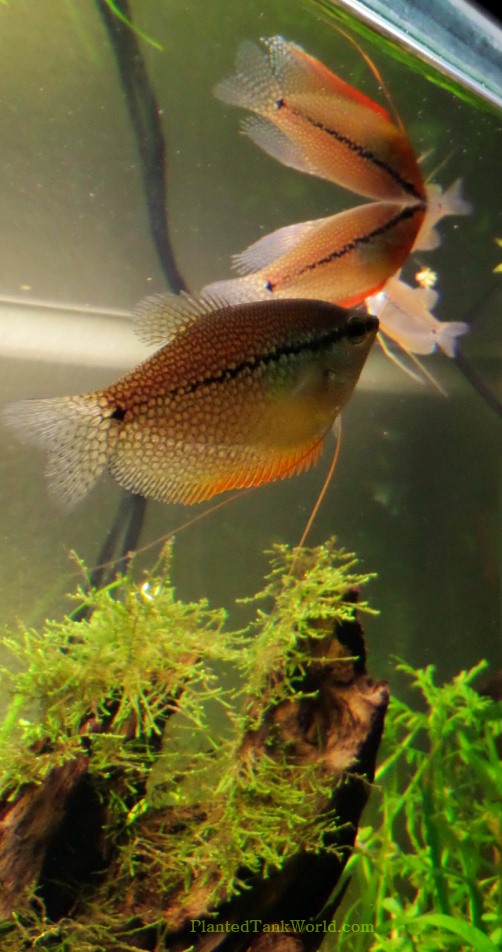
While males can be absolutely gorgeous and engaging fish, they are often much harder to find in fish stores. I began with two females in a 30 gallon, hoping I had enough hiding spots for them to live peacefully together, as female gourami can be agressive toward each other One of the females was more confident, inquisitive, and aggressive than the other. The bottom, orange/red spiked fin on this female was almost always extended, showing off beautiful colors. The other female was quite anxious and easily scare, with its bottom fin rarely being extended. The difference in this fin placement can be seen in the two photos below:

One rather fortunate and interesting adaptation of Pearl Gourami is their Labyrinth Organ, common to bettas, paradise fish, and other from the suborder AnabantoideiLabyrinth organs let fish take oxygen from the air into the bloodstream, rather than having to absorb oxygen from the water. So, when the more shy of my two females jumped out of my tank minutes after being added, she was fine when I finally found her ten minutes later! It was terrifying to be sure, but so long as an anabantoid is returned to water before losing too much moisture, the fish can make a full recovery.

Surface

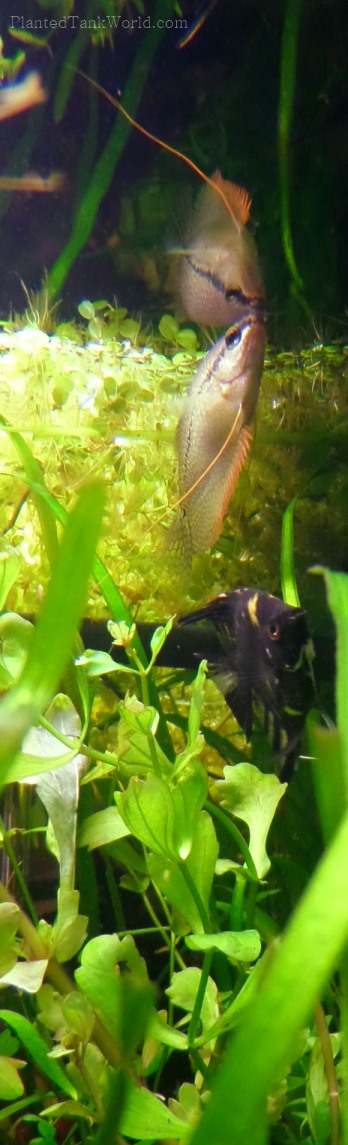
A female pearl gourami breathing at the water’s surface

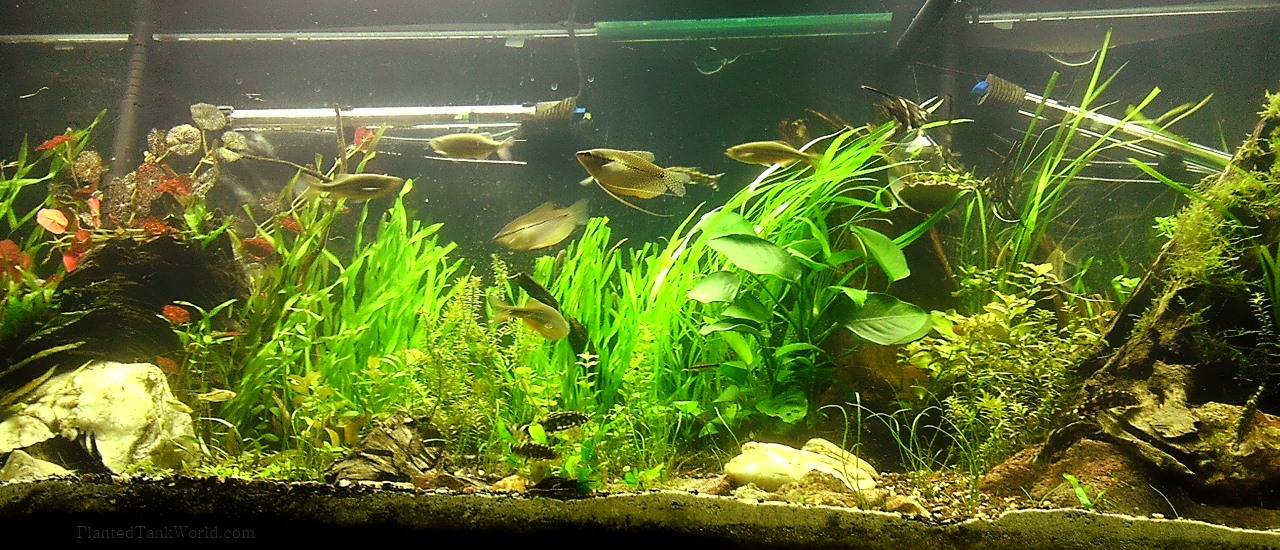
I now have the original two females, a male, and a third female all living together in my 150 gallon. With so many hiding spots, I rarely see all of them out at once. They prefer to stay in darker corners and really enjoy when I let my floating plants multiply. Pearl gourami are voracious eaters, with very little feed not on their menu. Yet, with their temperament, I’ve never had one go after dwarf shrimp or smaller fish. My male is far more aggressive than the females, but only when chasing off other large fish.

Zoom Out Full

Gold Barb (Puntius semifasciolatus)

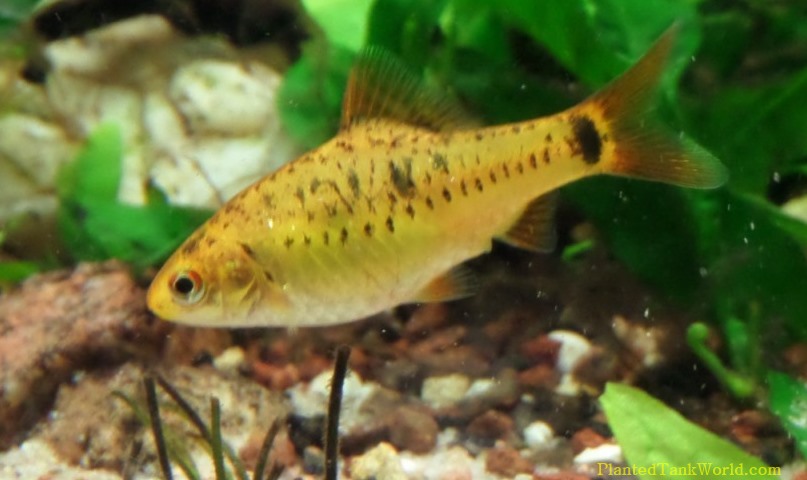
A Gold Barb

The Gold Barb

Gold barbs actually have a rather interesting history in terms of how they’ve been named and bred within the aquarium hobby. While originally from the Red River Basin area of Southeast Asia (thus sometimes calledChinese or China barbs), most gold barbs sold in stores are the result of Thomas Schubert‘s selective breeding efforts in the 1960’s. Schubert‘s bright yellow/gold Puntius semifasciolatus are beautiful fish now captive bred for sale, while the wild greenish Puntius semifasciolatus populations are considered at risk.

Gold barbs are hardy, adaptable shoaling fish, meaning they need to be kept in groups. Sometimes mine group quite tightly, and other times they can be found spread throughout the tank. Given their bright yellow color, gold barbs can make a beautiful focal point in a tank. Mine are still not full grown, but they typically reach around 3″. These guys are quite active throughout the tank, especially in the middle and bottom regions, so be sure to give them room to swim and search! For a general idea, in an established 20 gallon, 9 gold barbs would max out stocking.

Healthy gold barbs have incredible appetites. They’re not shy at all, and tend to nibble at my arms while working in the tank. When not eating food I’ve recently added, they’re searching around the tank, nomming on anything they find appetizing. Furthermore, they are quite hardy and do well in a wide range of water conditions.

Many of the typical “barbs” sold in stores are more aggressive than gold barbs. Gold barbs are quite peaceful community fish that won’t chase or nip at more other fish. They’re one of my favorite fish in my 150 gallon right now. I love watching their behavior, from foraging to breeding behavior; gold barbs are pretty awesome fish.