2.11 Gallon “Lace and Wood” Final Update

9

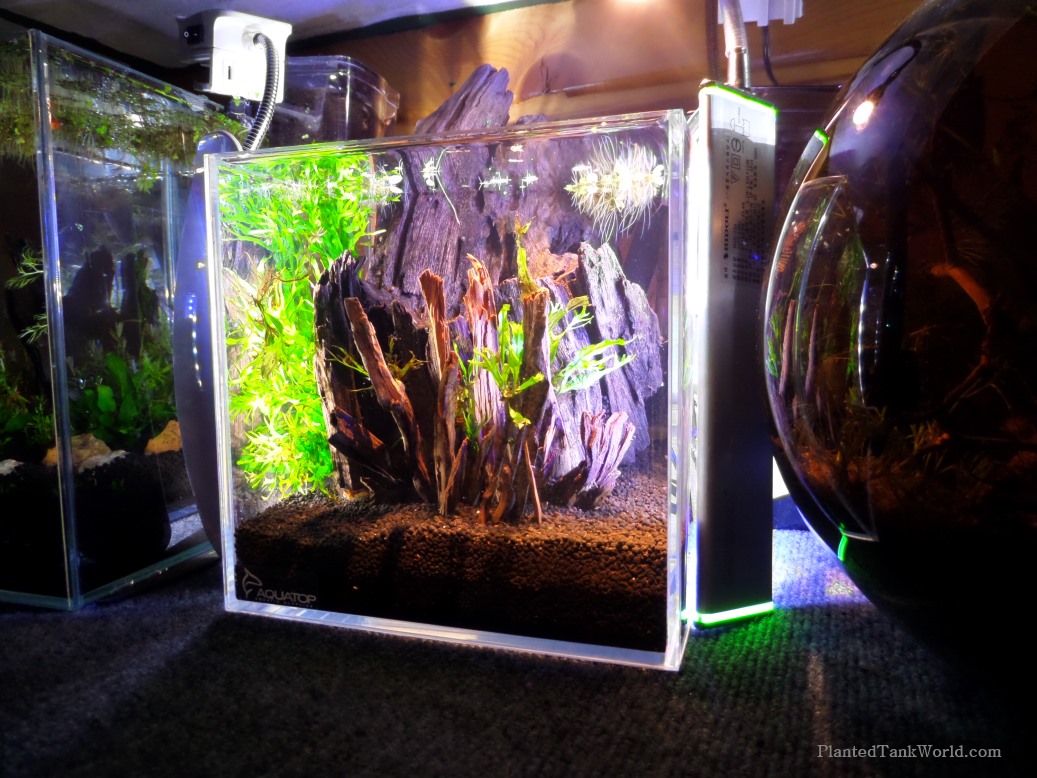
While I love how this tank looks. the piece of wood really does take up a great deal of space and impede water flow. While the shrimp living in this tank are quite active and healthy looking, they still haven’t taken to breeding. Thus, I will probably be making some significant changes in the near future that might allow me to begin a shrimp breeding colony in this tank.

5

Sadly, a large portion of the lace leaf java fern plant became discolored. After some research, I found that such browning of the leaves in java ferns can be caused by nutrient deficiency, or, more commonly, by lack of water flow around the plant’s rhizome (the meaty part at the base of the leaves that isn’t just fine, hairlike roots. Some of my java fern had been weighted down with pebbles or under a piece of wood. Having my filter near the rear of the tank compounded with the anchoring method, created little flow around the rhizome, resulting in browning leaves. I removed the browned portions to a recovery tank, and didn’t have much remaining to weave between the jutting wooden pieces near the front.

I also changed the filter intake to be fully in front of the large piece of wood (though it was pushed back when taking photos here) while the outflow was behind the wood. With less java fern obstructing flow, I’m pretty sure that all of the dead flow areas have finally been removed.


I’ll really miss this tank, but I’m excited to create a whole new world in this tiny little shrimp tank!
10

Botia Kubotai Monday – Part 1

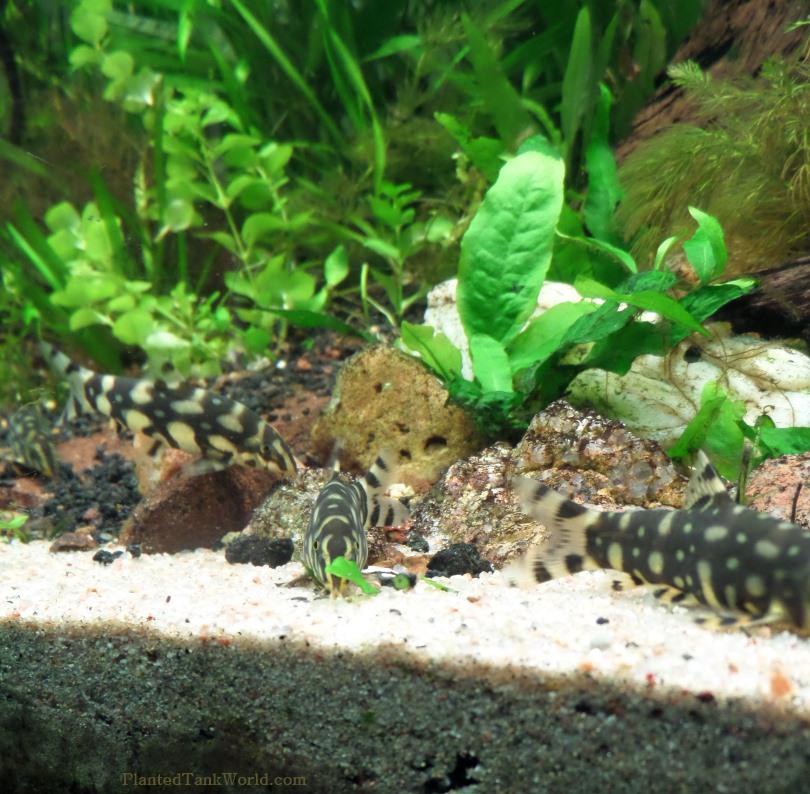
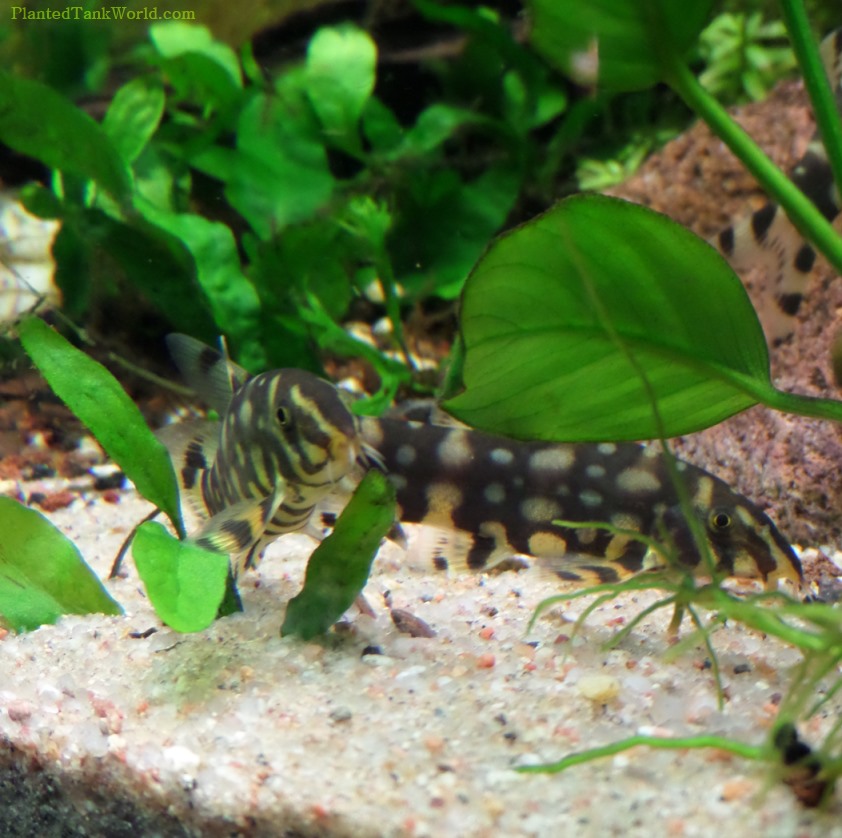
So I’ve slowly amassed a rather large collection of pretty decent photos of my kubotai loaches. I currently have 11 of these beautiful fish in my 150 gallon, though I only ever get a full head count once every few weeks. With all of the plants and hideouts in the tank, I rarely see more than a handful of them at any instant. When they are out, I try to grab a camera, and this is the result of that.

Every Monday for the next ten weeks, I’ll be posting new shots of my Kubotai loaches. Enjoy!

5


1


2


3


4

Salt and Pepper Catfish (Corydora habrosus)

1

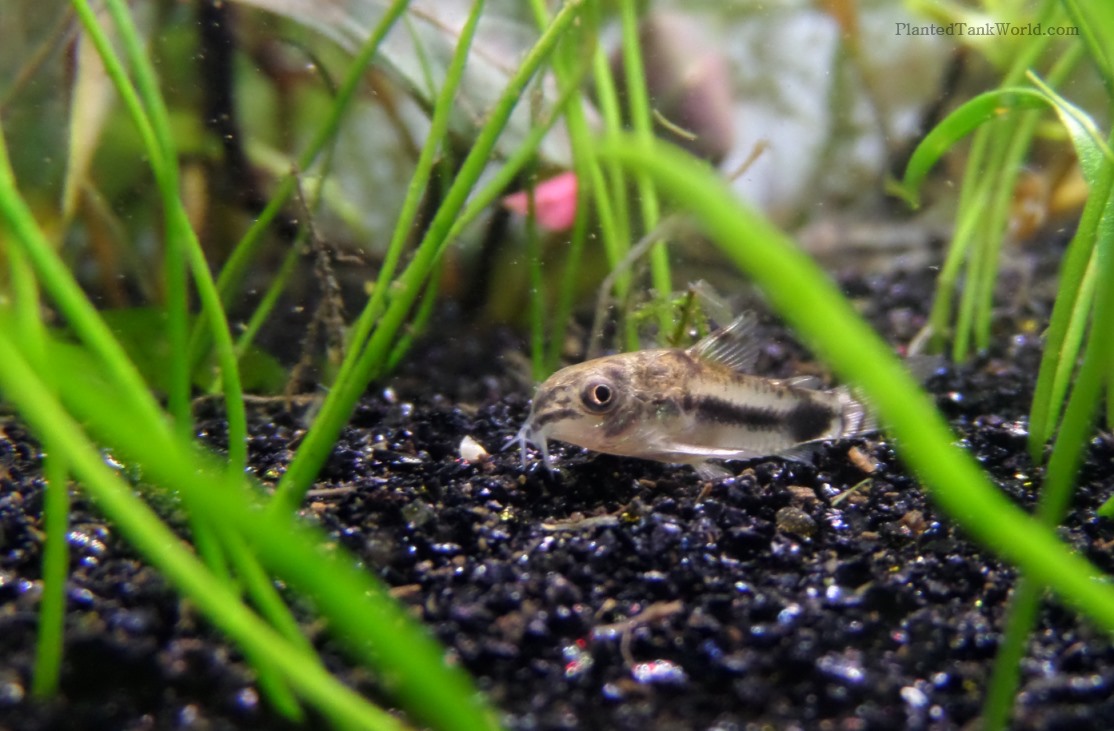
I already mentioned these adorable little guys in a recent post on the three commonly found species of dwarf Corydora (C. pygmaeus, C. hastatus and C. habrosus). Here’s my chance to show off my own little shoal of C. habrosus, also known as the salt and pepper catfish/corydora.

2

These guys are ridiculously small fish, maxing out around 3/4 an inch (~2.0 cm) when fully grown. They like soft, mildly acidic water around 77 degrees Fahrenheit.

5

Salt and pepper corydora are from areas with plenty of cover from plants, roots, and rocks. I went with the C. habrosus instead of the C. pygmaeus because habrosus are typically more adventurous (read: more visible) than their other diminutive counterparts.

4

Corydora need shoals with many members to remain healthy and happy. Ten or more is suggested, and the more you have, the better they typically fare (assuming the tank is appropriate and has enough filtration). Furthermore, they need lots of swimming room! Anything with a footprint smaller than a typical ten gallon tank will probably be too small to keep any shoal happy.

3

Despite their small size, handling these little guys can be dangerous. As with all corydora, they have sharp pectoral spines that can easily pierce human skin or get caught in netting. Handle with care. Larger or more aggressive tank mates will usually try to make a meal of these guys. This almost never ends well for the corydora, and occasionally doesn’t end well for the attacker either.

7

They need a well rounded diet, and love munching down on bloodworms, algae pellets, sinking food, etc. Don’t expect them to complete scavengers or a tank cleaning crew. Corydora are great fish with personality, but still can make a decent mess. Keep them in a well established tank that has stable parameters, and they’re do just fine.

6